Introduction – The Untamed Beauty of Zanskar Valley
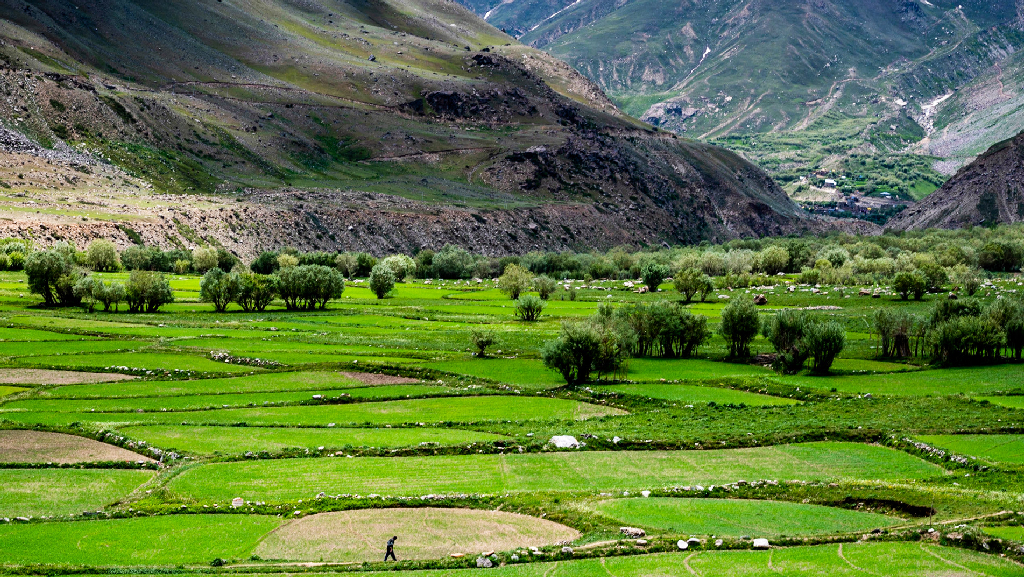
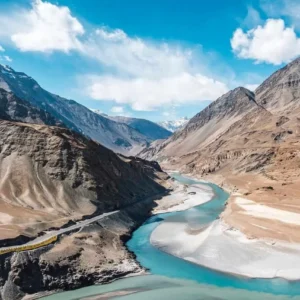
Tucked away in the Indian Himalayas is Zanskar Valley, one of Ladakh’s most remote regions offering untamed landscapes, crystal-clear rivers, ancient Buddhist monasteries, and traditions which stand the test of time. Nestled between tall mountains and interwoven with clear streams, Zanskar feels like a different planet: untouched, tranquil, and with deep spirituality.
For intrepid adventurers needing to escape, Zanskar is not just a place, it is a feeling: an unforgettable array of beauty, a sense of peace, and the excitement of discovery. If it is your ambition to walk on frozen rivers, visit centuries-old monasteries, and stare up at the Milky Way in a night sky free of pollution, visiting Zanskar Valley will be an experience like no other.
In this comprehensive and ultimate travel guide written by Travelogear Holidays, you will find out all the things you need to know to plan your visit to Zanskar, including how to get there, places to stay, best things to do, local culture, best time to visit and more – all written to help you connect deeply to Ladakh’s most mysterious valley.
The Story Behind Zanskar Valley
The name of Zanskar (also alternatively spelled as Zangskar) derives from two Tibetan words: “Zang” meaning copper and “skar” meaning valley or star – translated Valley of Copper or Bright Valley.
In history, Zanskar was a kingdom itself, with close ties to Buddhism, its role as an independent kingdom and royal family. Ancient trade routes ran through Zanskar to connect Ladakh with Tibet and Kashmir. Over hundreds of years it became a peaceful enclave of the Buddhist faith, with meditation caves, monasteries, and remote villages where life has not changed in a hundred years.
Even today, the valley has much of the same charm of traditions. There are prayer flags flying from ridges, butter lamps lit in darkened monasteries, and the Zanskar River grinds beats its way down towers with depths reflecting the colors of the sky in motion.
Geography and Landscape – A High-Altitude Wonderland
The Zanskar Valley lies at an elevation between 3,500 and 7,000 meters (11,500 and 23,000 ft) above sea level. The valley is bordered to the north by the Zanskar Range and the Great Himalayan Range to the south.
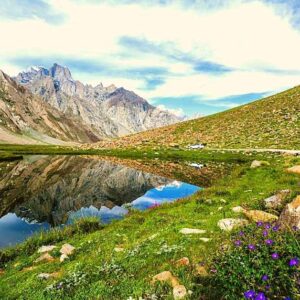
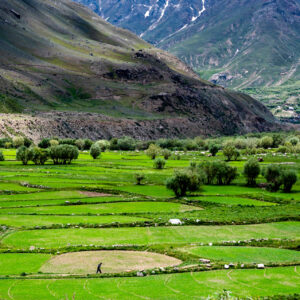
It’s dramatic contrasts — dry mountains, green meadows, glacial streams, and an expansive sky — defines this valley. In the summer months, this unexplored wilderness is carpeted with wildflowers and is dotted with golden barley fields. Come winter, this wilderness turns into an arctic playground, making it one of the most photographic locations along the entire Himalayan range.
Prominent Rivers:
Zanskar River – It begins at Pensi La Pass and meets the Indus River near Nimmu.
Stod River and Lungnak River – The two significant tributaries of the Zanskar River.
How to Reach Zanskar Valley
Getting to Zanskar Valley in itself is a unique adventure; it can only be accessed for 3-4 months each year due to extreme weather and heavy snowfall.
By Road (Most Scenic Option)
Via Kargil – Padum Route (Traditional Access)
Route: Leh → Kargil → Sankoo → Panikhar → Parkachik → Rangdum → Pensi La → Padum (Zanskar)
Distance: Approx. 440 km
Estimated Time Required: 14–16 hours (usually done in two days)
Best for viewing: Panoramic mountain views, glaciers and monasteries along the way.
Via Darcha (Himachal Route)
Route: Manali → Darcha → Shinkun La → Padum
Distance: Approx. 250 km
This route has gained in popularity since the construction of the Shinkun La Pass road, and offers a good direct route to Zanskar from Himachal Pradesh.
By Air:
The closest airport to Zanskar is Kushok Bakula Rimpochee Airport (Leh Airport). From Leh, travelers can drive to Zanskar via Kargil. Flight services may occasionally be offered in the winter for emergencies or charters.
Best Time to Visit Zanskar Valley
The climate in Zanskar is extreme, with long winters and short summers. The best time to visit will depend on the experience you are seeking:
Summer (June to September) – Best Time to Visit
Roads are open and the weather is variable (10°C to 25°C).
Most suitable for sightseeing, trekking, camping, and river rafting.
The local Monasteries will hold Festivals during this time.
Winter (December to February) – Go for It!
The entire valley is covered in snow, with temperatures dropping to -25°C.
The Chadar Trek (on the frozen Zanskar River) takes place during this time – a once-in-a-lifetime experience.
Travelogear Holidays Tip:
If this is your first visit, summer is the best time. If you are a thrill seeker and trekker, the Chadar Trek in the winter is fantastic.
Top Attractions in Zanskar Valley
Zanskar boasts a wealth of monasteries, mountain passes, and natural marvels that highlight the spiritual and scenic abundance of the area.
1. Padum – The Heart of Zanskar
Padum is the cultural and administrative centre of the Zanskar Valley. It is the location where most travelers spend the most time before exploring the many attractions in the surrounding area. The town has all stunning views, small guesthouses, and is in close proximity to monasteries such as Karsha, Stongdey, and Sani.
Highlights:
- Local market with traditional crafts.
- Padum River vantage point.
- Nearby homestays and trekking.
2. Karsha Monastery
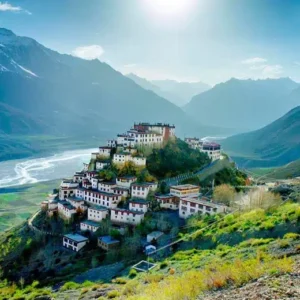
The largest monastery in Zanskar, Karsha Gompa, started in the 11th century, and belongs to the Gelugpa sect of Buddhism. It is dramatically placed on a mountainside, so it has amazing views of the valley below.
Don’t Miss:
- The annual Gustor Festival with its masked Cham dances.
- The atmosphere that is spiritual, and ancient murals.
3. Phugtal Monastery (Phuktal Gompa)
Phugtal Monastery is one of the most breathtaking sights in Ladakh. It is carved into the cliffside like a honeycomb, and is only accessible by trekking. It seems like a lost kingdom in time.
Highlights:
- A 12th-century monastery built around a natural cave.
- There is a community of monks there who still live a traditional way of life.
- Take an exhilarating trek from either Anmo village or Purne to reach Phugtal.
4. Sani Monastery
Situated near Padum, Sani Gompa is among the ancient Buddhist monasteries in the Zanskar Valley, thought to be from the period of the Kushan dynasty. It also has, ancient stupas and is the
spiritual home of the Buddhism followers, and is sacred to followers of Bon Religion.
5. Stongdey Monastery
Located at 3,500 meters high, Stongdey Monastery is famous for its annual celebration and is serene environment. Also, it is the second largest monastery in the whole Zanskar region and it offers stunning views of the valley below.
6. Pensi La Pass
The “Gate-watt of Zanskar. Pensi La is at 4,400 meters high, the Pass links the Zanskar Valley with Suru Vall. In the summer season, the pass opens up fantastic views of dramatic snow-capped peaks and
Drang Drung Glacier, which is the second largest glacier in Ladakh.
7. Drang Drung Glacier
One of the crown jewels of Zanskar, this large river of ice, stretching over several kilometers-long, reflects silver in the sun. It is visible from Pensi La and offers a bunch of photographic opportunities.
8. Rafting on the Zanskar River
If you are fond of adventurous activities, rafting in the Zanskar River Gorge, often referred to as the Grand Canyon of Asia, is an experience you must try. With steep cliffs, turquoise water and thrilling rapids, it is easily one of India’s best rafting experiences.
9. Zongkhul Gompa
Built against a rock wall nearby Stod Valley, Zongkhul Gompa is associated with the great yogi Naropa and it is said that he spent time meditating at Zongkhul and footprints etched in rock within the monastery still remain from this past.
10. Lingshed Village & Monastery
Lingshed one of the most remote inhabited regions in Ladakh, is only accessible through trekking routes. It is a hidden paradise where you can witness Zanskari life in a landscape of silence and spirituality.
Popular Treks in Zanskar Valley
Chadar Trek (Frozen River Trek):
An internationally recognized winter trek following the frozen Zanskar River.
Lamayuru to Padum Trek:
A traditional trek that connects some of the most important spiritual locations in Ladakh.
Zanskar to Darcha Trek:
Crosses Shinkun La and follows rocky trails through several remote and stunning villages and simple, untouched valleys.
Phugtal Monastery Trek:
A short and visually dramatic trek to a monastery located on a cliff.
Travelogear Holidays Tip:
Our guided trek packages include a local guide and arrangements for camping, permits, and safety gear, which ensures you have an enjoyable experience without worry.
Where to Stay in Zanskar Valley
In Zanskar, you’ll find welcoming, charming accommodation that embodies simplicity. Expect a warm and inviting atmosphere, traditional-style buildings, and spectacular scenery surrounding you.
🔹 Hotels & Guesthouses in Padum:
– Hotel Ibex
– Omasila Guesthouse
– Hotel Gozar
🔹 Homestays in Villages:
Stay with local families in Karsha, Sani or Lingshed for a culturally immersive experience
🔹 Camping:
For the adventure traveler, camping can be arranged near Pensi La, Drang Drung Glacier, or other areas along trekking routes.
Travelogear Holidays can arrange comfortable accommodations throughout Zanskar, providing authenticity with a sense of comfort.
Local Food & Culture
The people of Zanskar have a very basic relation to their food (most of their food is simple, hearty and nourishing), such as;
Thukpa (noodle soup)
Skyu (pasta stew)
Momos (dumplings)
Butter tea (Yak butter tea with salt)
They also meld Tibetan Buddhism with some ancient Himalayan traditions, creating a culture embodying lots of deep spirituality, which is present in their daily customs, rituals, the prayer flags everywhere, and events that bring the community together.
Travelogear Holidays Tip:
If you want to really experience the culture in Zanskar, attend a local festival or stay in a guesthouse at a monastery.
Why Visit Zanskar Valley with Travelogear Holidays
At Travelogear Holidays, we create experiences that are more than sightseeing. Our packages for Ladakh and Zanskar are thoughtfully designed to cater to the traveler who wants authenticity, comfort, and memory making.
We take care of all the details for your Zankar journey, from organizing comfortable transportation and involving local guides, to staying in monasteries, to trekking adventures so that everything is absolutely effortless and profoundly rich in purpose.
Travelogear Holidays — every journey prepared with thoughtfulness, passion, and local knowledge.
Travel Tips for Zanskar Valley
- Ensure that you acclimatize in Leh or Kargil before heading to Zanskar.
- Bring warm clothes with you, even in the summer it can get cold at night.
- Have cash with you because ATMs are not present in the area.
- Bring important items including sunscreen, first-aid kit, snacks, and water.
- Be respectful of local customs, such as removing shoes before entering a monastery.
- Avoid single-use plastics to keep the valley clean.
Zanskar Valley – A Journey Beyond Time
When you arrive in Zanskar Valley, you aren’t going through another place; you are entering a world in which time seems to forget you. These are magnificent ancient monasteries in a snowy land with frozen rivers and stars twinkling upon you as rejuvenations to open your spirit and bring it back to humility.
Travelogear Holidays will take you to a Himalayan paradise like no other, with each individual trail tells a rich story, and every sunrise has a divine feel to it.
Top 10 FAQs About Zanskar Valley
1. Where is Zanskar Valley located?
Zanskar Valley is in the Kargil district of Ladakh, India, around 440 km from Leh.
2. How do I reach Zanskar Valley?
You can reach via Kargil–Padum road from Leh or via Darcha–Shinkun La road from Himachal.
3. What is the best time to visit Zanskar Valley?
June to September for pleasant weather, or January–February for the Chadar Trek.
4. What is Zanskar Valley famous for?
Its remote beauty, monasteries, glaciers, river rafting, and the Chadar Trek.
5. How many days are enough for Zanskar Valley?
Plan at least 6–8 days to explore Padum, monasteries, and nearby attractions.
6. Do I need a permit to visit Zanskar Valley?
Indian nationals don’t need a permit; foreigners require an Inner Line Permit.
7. Can I visit Zanskar in winter?
Yes, but only via frozen routes or for the Chadar Trek — access is challenging.
8. What is the altitude of Zanskar Valley?
It ranges from 3,500 to 7,000 meters above sea level.
9. Are accommodations available in Zanskar?
Yes, mainly in Padum, with homestays and small hotels across villages.
10. Why travel with Travelogear Holidays?
Because Travelogear Holidays offers curated, safe, and culturally rich Ladakh tours with local expertise and personalized service.
How to book Zanskar Valley Tour Packages With Travelogear Holidays?
For a seamless and exceptional booking experience,
Contact Travelogear Holidays at: reservationtravelogearholidays@gmail.com or call us at : 9906903196