
Introduction to Jamia Masjid Srinagar
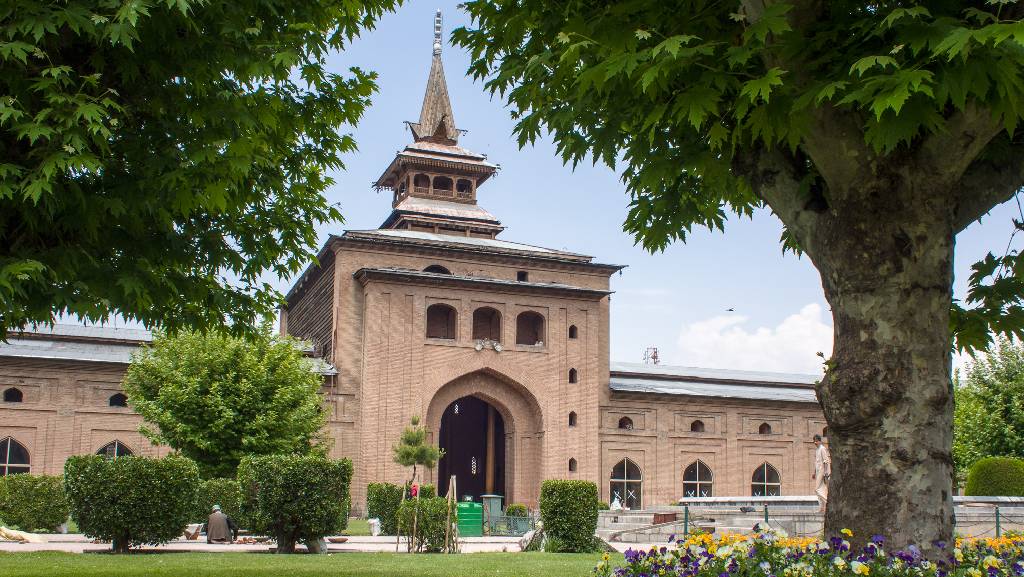
The Jamia Masjid is not just one of the largest mosques in all of Asia but an iconic historical site in the heart of Srinagar’s city center. It was built by Shah Miri, a ruler of the region, in 1394 CE in a style that combines elements from both the Indo-Saracenic influenced by Islamic architecture from Asia (e.g., the dome) with an attraction to the arts, crafts, sculptures and paintings from the region surrounding it.
Jamia Masjid is located within a bustling urban center with small shops lining both sides of the streets leading up to its entrance; however, once you step inside the mosque’s grand entrance located directly in front of the mosque itself, all the noise of the city is immediately replaced by the peace and serenity of the expansive courtyard, and the soft feel of the wood used throughout its construction.
The Historical Journey of Jamia Masjid
The Mosque
Sultan Sikandar constructed the Jamia Masjid during the reign of Sultan Zain-ul-Abidin (nicknamed Budshah), his father. The mosque was designed for Kashmiris to worship and gather collectively in appreciation of their culture, religion, and heritage.
History of Rebuilding
For over six centuries, the Jamia Masjid has suffered through many fires that caused the need to rebuild it. However, its architectural style has been maintained throughout its reconstruction, proving to be a unique reflection of the identity of Kashmir.
Learning Resources
For hundreds of years the Jamia Masjid has provided a center for an educational resource, a center for teaching the Qur’an, and an area for community gatherings, both today and in the past. It continues to serve as an important spiritual center for the people of Jammu & Kashmir.
Architectural Grandeur of Jamia Masjid
Due to a blend of local artistry with Indo-Islam influences, Jamia Masjid Srinagar stands out with its unique architectural style. Due to its overall size and the attention to detail which creates an atmosphere of harmony, symmetry, and beauty, it is an extraordinary structure.
Its large central courtyard is one of the largest in India. The long corridors, well-kept walkways, and tranquil environment make it the heart of the mosque.
The 378 multiple enormous deodar pilasters, which have been exquisitely hand-carved, are another notable feature of the Jamia Masjid. These pilasters are the primary source of structural support for the mosque and provide visitors to the mosque with an awe-inspiring visual experience.
The mosque’s design is inspired by the Persian Chaar-Bagh concept of four symmetrical minarets – which indicates a sense of harmony and unity throughout the mosque’s design.
Because the mosque represents traditional Kashmiri woodworking, traditional Kashmiri woodworking includes:
– Ornate carvings
– Polished wooden columns
– High ceilings with wooden beams
– Decorative latticework windows
The prayer area is spacious, serene, and architecturally elegant, and the simplicity of the prayer room enhances its spiritual ambiance.
A once-popular lotus fountain in the center of the courtyard has long since been removed and represents the significance of purity and beauty to the people of Kashmir.
In summary, the structure of Jamia Masjid reflects centuries of artistry, dedication, and cultural expression, and is an important part of Kashmir’s architectural heritage.
Cultural & Spiritual Importance
The Jamia Masjid is not merely a structure; It is the cultural centre of the city of Srinagar where people from all corners of the globe visit each week to worship together on Fridays, creating a bustling hub in the city centre.
The Jamia Masjid represents harmony.
People from diverse cultures and backgrounds use this mosque which has created a bond that connects them all.
The Jamia Masjid is a place of worship; however even to non-Muslims, the ambiance is tranquil, filled with the sound of prayer. The atmosphere is calming and soothing.
The mosque historically served as a gathering place for:
- Public addresses
- Community gatherings
- Educational gatherings
- Religious instruction
In present day it continues to be an essential aspect of Kasmir’s societal structure and culture.
Where Is Jamia Masjid Located?
The beautiful mosque Jamia Masjid is located in the downtown area of Srinagar, Nowhatta; it has deep historical roots and shows off the culture of the locals—the rich crafts and architecture that makes up the Kashmiri heritage.
Within walking distance of Jamia Masjid are these attractions:
- Fort Hari Parbat
- Amir-i-Khilafah (also known as the Khanqah-e-Moula)
- Old City Bazar
- The Zaina Kadal Bridge
- Kashmiri Handicraft Shop
Explore Jamia Masjid, plus many additional cultural points, on guided tour with Travelogear Holidays.
How to Reach Jamia Masjid Srinagar
Air Travel
Srinagar International Airport lies roughly thirty to forty minutes drive from the mosque.
Cab/Taxi Service
Travelling is easy and comfortable through old Srinagar streets when booking a taxi with Travelogear Holidays.
Local Transport
Tourists can find auto rickshaws, minibuses and shared taxis, but these may be overwhelming for a first-time visitor.
Walking through Old Srinagar
Walking the narrow lanes provides an authentic experience of Kashmiri life in the old city.
Best Time to Visit Jamia Masjid
Throughout the year, Jamia Masjid has something unique in each season that can’t be matched by any other season.
Spring (March through May): Many trees in bloom provide a stunning backdrop for photos.
Summer (June through August): Warm, comfortable weather is perfect for walking around Old Srinagar and exploring the area.
Autumn (September through November): The chinar tree leaves turn a beautiful shade of gold, creating a magical backdrop for the mosque.
Winter (December through February): Snow-covered surroundings provide a peaceful atmosphere for the mosque, making it look like it has been there forever.
Travelogear Holidays will help you create the ultimate seasonal itinerary for your trip.
Things to Do at Jamia Masjid Srinagar
1. Discover the Grand Courtyard
You’ll feel the stress and tension melt away in the vast open courtyard.
2. Take Photos
Photograph your visit through the lens of wooden pillars, arches, symmetry of the courtyard, traditional architecture of old cities, and any other interesting elements.
3. See How Locals Live
Find out how the local residents prepare for worship; witness shopkeepers selling snacks; observe artisans at work as they develop their traditional products.
4. Shop in Local Markets
Local products include:
– Pashmina scarves
– Copperware
– Spices
– Hand-woven rugs
– Papier-mâché items
5. Guided Heritage Walks
Travelogear Holidays offers guided tours of the Old City including Jamia Masjid; monuments and buildings from the Mughal Empire; monuments to Islam; and local bazaars.
Local Culture & What You’ll Experience
Exploring the areas surrounding the Jamia Masjid is a wonderful opportunity to discover the rich cultural heritage of Kashmir.
During your exploration, you’ll have the opportunity to experience:
* Traditional wooden Houses
* Historic Neighbourhoods
* Chinar Trees
* Vendors Selling Food Items such as Sheermal and Kulcha
* The Hospitality of the Local People
Walking along in Nowhatta is much like travelling back in time, where there are many signs of the historical and cultural heritage of this area still alive today.
Travel Tips for Visiting Jamia Masjid
- Wear modest and respectful clothes
- Take your shoes off before going into prayer areas.
- Avoid being there at the peak Friday prayer times if you are trying to visit and be safe.
- Wait until someone says you can take their picture before you take it.
- Going around with local guides can provide deeper insight.
- Always have a lightweight scarf or stole handy.
- Travelogear Holidays strives to make all of our traveler’s experience respectful, smooth, and comfortable.
Why Visit Jamia Masjid with Travelogear Holidays?
First time visitors to the Old City generally have an inadequate understanding of how best to approach and see their new environment. Travelogear Holidays allows visitors to experience this destination in a culturally immersive, seamless way.
What you receive:
* Heavily experienced and knowledgeable guides with regards to Old Srinagar
* Comfortable Travel
* Flexibility in your itinerary
* Heritage Walking tours
* Photography Assistance
* Safety and Comfort
Whether you are travelling solo, with family or a group of like-minded cultural explorers, Travelogear Holidays will create a special travel experience for you that maximizes your comfort and enjoyment.
Conclusion
Not just a heritage mosque, Jamia Masjid in Srinagar is an eternal representation of Kashmiri art, spirituality and cultural heritage. The mosque’s majestic wooden pillars, open courtyard, tranquil setting and historic connection place it among the most notable architectural treasures in this region.
A trip to this mosque allows visitors to experience a connection to centuries of tradition, craftsmanship and community that comprise the spirit of Kashmir.
Regardless of whether this is your first experience in Srinagar or if you are returning for another taste of this city, Jamia Masjid will undoubtedly be one of the highlights of your visit. With Travelogear Holidays, you will enjoy the benefits of a seamless, exciting and meaningful trip, which means you will appreciate the intricate beauty and heritage that this landmark has to offer.
FAQs About Jamia Masjid Srinagar
1. Where is Jamia Masjid located in Srinagar?
It is located in Nowhatta, the historic Old City area of Srinagar.
2. Who built Jamia Masjid Srinagar?
It was commissioned by Sultan Sikandar and completed by Sultan Zain-ul-Abidin.
3. What is Jamia Masjid famous for?
Its unique wooden architecture, 378 deodar pillars, vast courtyard, and deep cultural significance.
4. Is Jamia Masjid open to tourists?
Yes, visitors of all faiths can explore the mosque respectfully.
5. What is the best time to visit Jamia Masjid?
Spring, summer, and autumn offer the best weather and views.
6. How old is Jamia Masjid Srinagar?
It is more than 600 years old.
7. Are photography and videography allowed?
Yes, but always be respectful and avoid intruding during prayers.
8. How can I reach Jamia Masjid easily?
Booking a cab or guided tour through Travelogear Holidays is the most convenient option.
9. Are there markets near Jamia Masjid?
Yes, the Old City bazaars offer traditional crafts, spices, and textiles.
10. Is Jamia Masjid safe for tourists?
Yes, it is safe, especially when explored with knowledgeable local travel experts.
How to book Jamia Masjid Tour Packages With Travelogear Holidays?
For a seamless and exceptional booking experience,
Contact Travelogear Holidays at: reservationtravelogearholidays@gmail.com or call us at : 9906903196