
Introduction
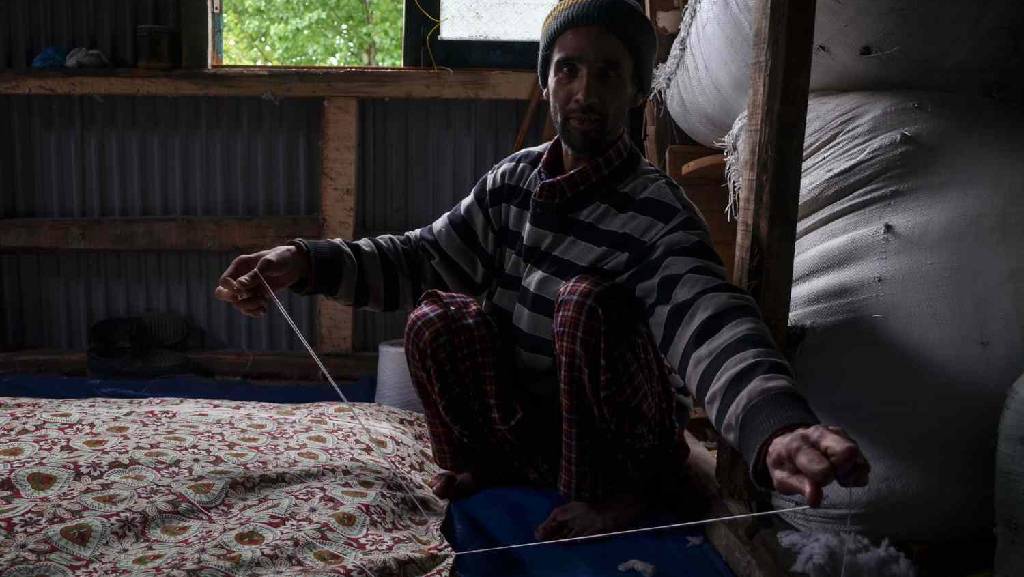
Kashmir has often been praised for its peaceful lakes, snow-covered peaks, and timeless landscapes. However, underneath the natural beauty lies an even more subdued cultural heritage, woven through daily life for so long. The quilt tradition of Kashmir has its roots in a network of craftspeople living in hidden villages around the valley. It captures stories of warmth, survival, artistry, and intergenerational wisdom across generations.
These aren’t luxury products made to be hung in a showroom—they are living traditions that have been hand-stitched over the centuries to keep families warm during harsh winter conditions. They maintain their importance from generation to generation, having been formed through the climate, the community, and most importantly, the care of those who stitch them. Artisans are still continuing to practice this craft in small villages that are often out of the way from the main travel routes as their ancestors did. They work quietly, skillfully and with a sense of pride.
With Travelogear Holidays, travelers get the opportunity to go beyond merely sightseeing attractions in Kashmir and can instead experience the culture of Kashmir more intimately, through the artistry of the quilts produced by the artisans who have practiced this craft over many years.
What Makes Kashmir’s Quilt Culture So Unique
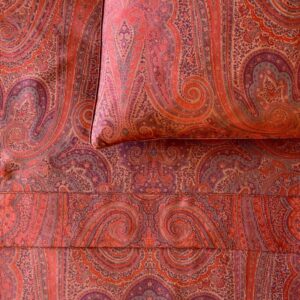
Quilts from the Kashmir region have been developed due to the region’s geography, climate, and weather. During long winter months, high levels of snowfall, and very cold evenings, people required warmth, but they also wanted comfort and were not willing to compromise on comfort. Over time, communities in this area developed quilt-making skills that provided a balance of insulation, breathable materials, and durability.
There are many characteristics that differentiate Kashmiri quilts from other types of quilts.
Kashmiri quilts are:
- Stitched by hand
- Filled with natural cotton
- Made with breathable, layered construction
- Designed for use in extremely cold environments
- Created for everyday use rather than decorative purposes.
Kashmiri quilts will represent the culturally relevant knowledge developed by communities of people living in the Himalayan mountains for thousands of years.
Hidden Craft Villages – Where Quilts Are Still Made by Hand
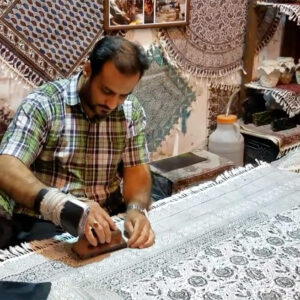
Throughout the Kashmir region of India, quilt-making continues in many of the small, rural communities that may not be along tourist routes. The communities are essentially “workshops” where the homes of the community members serve as craft spaces.
Experiencing Life in a Quilt-Making Community:
- Craftspersons are crafting in warm rooms during winter months.
- Families engaged in the production process at different steps.
- The tradition of quilt-making is an oral tradition, passed down through generations.
- Tools used in quilt-making have remained unchanged for many generations.
Travelogear Holidays has identified quilt-making communities through a cultural lens, and therefore facilitates respectful and meaningful experiences that do not interfere with the daily lives of the community members.
The Process – From Cotton to Comfort
1. Preparing the Cotton – The cotton used in the natural process begins with a thorough cleaning, allowing for softening and fluffing of the fibers, resulting in maximum insulation with the least amount of weight possible.
2. Layering the Fabric – The outer shell of each finished product is composed of a durable cotton fabric. To maintain even distribution, the cotton filling will be placed into the fabrics before being sewn into place.
3. Hand Stitching – Artisans utilize needle and thread to create intricate designs that secure the batting in place. These stitching are designed for function, not appearance; they dictate the level of warmth, as well as the development of airflow, within the finished quilt.
4. Final Finishing – The corners of the finished quilts are reinforced through the sealing of edges. The final inspection of each quilt ensures uniformity throughout the quilt to guarantee customer satisfaction.
Due to the meticulous attention paid to detail, many of these processes take several days, or even up to a week or more, depending on the complexity of the quilt design.
Why Quilt Making Is a Winter Craft
Winter Quillting Intensifies In Kashmir Society.
Kashmiris Quilt Themselves In The Winter Month When They Are Snowed In Their Villages. The Limited Outdoor Activities and The Long Nights of Winter Create an Ideal Environment for Crafting Indoors.
Producing Quilts Provides A Productive Use For Your Time In The Winter Months.
Quilts Made are Mostly Used For Personal And Community Needs. Quilting Keeps People Warm At Home, But Also Keeps Their Minds Stimulated.
This Seasonal Rhythm Continues To Sustain Quilting Craftsmanship In The Kashmir Valley For Many Generations.
Cultural Importance of Quilts in Kashmiri Homes
In Kashmir a quilt is not just a blanket or something to sleep under – it is an emotional support to sleep on.
Quilts are used during family gatherings.
Kashmiris share their quilts with their guests as a way to show hospitality.
Quilts serve as family heirlooms that get passed down from generation to generation.
Kashmiris associate their quilts with childhood memories and winter nights.
Every quilt in Kashmir has many stories stitched in them.
Why These Craft Villages Remain Hidden
Fundamentally, without commercial value, recognition through utility rather than exportation, limited advertising, and the location of these villages in remote areas – they remain hidden to the world. While this has maintained honesty within this craft – it also leaves such craft vulnerable.
Challenges Facing the Quilt Artisans
Traditional Quilt Cultures Face Modern Threats, Including
– Increased Cost of Natural Cotton
– Competition from Mass-Produced Goods
– Younger Generations Moving for Job Opportunities
– Limited Access to Market
If not supported and promoted through tourism and other means, these heritage crafts will likely disappear without a trace.
How Travelers Can Experience Quilt Culture Responsibly
The purpose of going to a quilt village isn’t to shop, but to be educated.
Ways to engage responsibly are:
- Be respectful while observing.
- Listen to their stories about their craft.
- Don’t take pictures without permission or in a way that is disruptive to the process.
- Support their craft as directly as you can.
Travelogear Holidays will make sure your visit is responsible, community-friendly, and culturally sensitive.
Why Quilt Culture Appeals to Cultural Travelers
This experience connects with travellers looking for:
- Culturally relevant authentic narratives
- Slow travel opportunities
- Cultural immersion in the destination
- Human connections beyond the sightseeing experience.
The experience also communicates to travellers how the people of Kashmir live, adapt, and maintain their warmth, both physically and emotionally.
The Emotional Power of Handmade Quilts
Whereas a manufactured quilt is simply an item produced in a factory, a handcrafted quilt reflects:
- Time and skill of the artist
- A personal connection in each stitch
- Unique imperfections that distinguish it from all other quilts
- A narrative of endurance through adversity
- The feeling of holding a handcrafted quilt is a totally unique experience; they are heavier with meaning, yet lighter with love.
Why Travelogear Holidays Highlights Quilt Villages
The core belief held by Travelogear Holidays is that culture holds as much significance as nature (landscapes). They provide curated and immersive experiences incorporating the following elements:
• Authentic Craft Village Visits
• Cultural Interpretation Provided by Local Experts
• Ethical Participation of Artisans
• Scenic Routes Combing Crafting Experiences
Travelogear Holidays focus on creating authentic travel experiences and meaningful travel rather than just quickly visiting an area without engaging in immersive experiences with your destination.
Beyond Quilts – A Window into Kashmiri Life
Quilt villages reveal more than craft:
Family structures
Seasonal rhythms
Community cooperation
Quiet dignity of rural life
They offer a deeper understanding of Kashmir beyond postcard imagery.
Preserving the Craft Through Conscious Travel
When travelers show interest:
Conclusion
The Kashmir quilt craft has been quietly and secretly developing for many years in the local communities of Kashmir. A Kashmir quilt is a work of art created by skilled artisans who base designs on their environment, family values, and personal history.
Travelogear Holidays allows travelers to experience Kashmir’s quilt-making tradition through respect for the craftsmen and their methods; if travelers wish to explore a more understanding view of Kashmir, they should familiarize themselves with Kashmir’s quilt culture… where love is sewn into every stitch!
FAQs on Kashmir Quilt Culture
1. What makes Kashmiri quilts different from regular quilts?
They are hand-stitched, naturally insulated, and designed specifically for extreme cold climates.
2. Where are Kashmiri quilts traditionally made?
In small villages across Kashmir, often within family homes.
3. Are Kashmiri quilts handmade?
Yes, traditional quilts are fully handcrafted using age-old techniques.
4. Why is quilt making important in Kashmir?
It provides warmth during harsh winters and preserves cultural heritage.
5. Can travelers visit quilt-making villages?
Yes, with responsible planning and local guidance.
6. Are these quilts still used in daily life?
Absolutely, they remain a household essential across Kashmir.
7. Is quilt making a seasonal activity?
Yes, it is most active during winter months.
8. Are modern materials used in traditional quilts?
Traditional quilts primarily use natural cotton and fabric.
9. How can tourism help preserve quilt culture?
By valuing artisans, encouraging ethical engagement, and raising awareness.
10. How can I include quilt culture in my Kashmir trip?
You can plan a culturally immersive itinerary with Travelogear Holidays.
How to book Kashmir Tour Packages With Travelogear Holidays?
For a seamless and exceptional booking experience,
Contact Travelogear Holidays at: reservationtravelogearholidays@gmail.com or call us at : 9906903196