
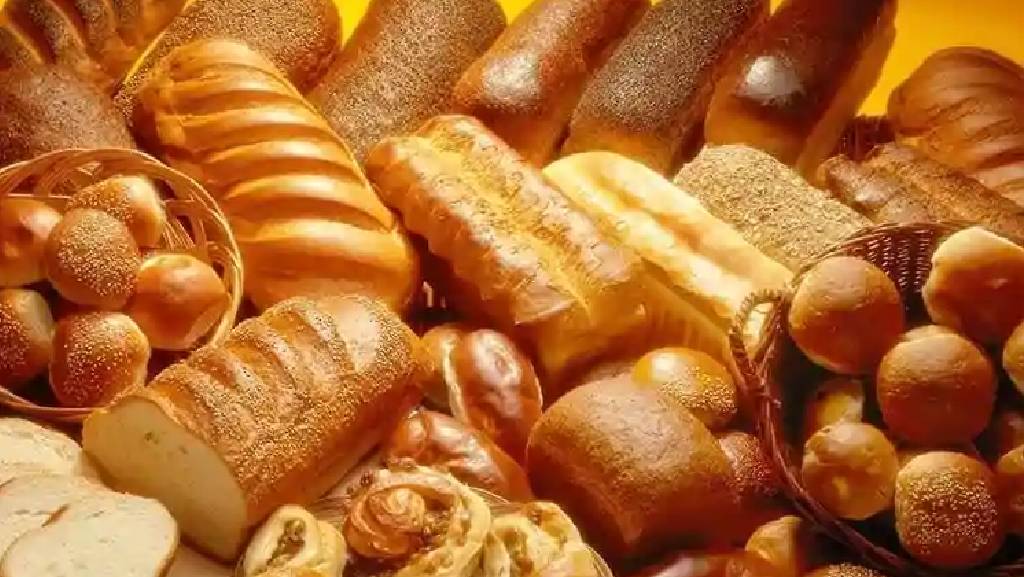
Kashmiri Bakeries- Introduction
Kashmir is widely recognized for its picturesque landscapes, snow-covered mountains, and lasting natural aesthetics; however, there exists a lesser-known gem in the area that represents the core of daily life in Kashmir: the traditional Kashmiri bakery (known as the Kandur shop). Kandur shops are not simply places to buy bread. They represent cultural touchpoints for communities based on shared experiences and the blending of smells, culture, and the spirit of the community.
Kandur shops can be found throughout Old City streets, isolated mountain towns, and peaceful valleys. They have maintained their ability to uphold the traditional methods of making Kashmiri bread and are buzzing with the warmth of their wood-burning stoves and the delicious smell of cooking bread from morning until night.
Travelogear Holidays gives visitors to Kashmir the opportunity to go past sightseeing and experience the true essence of Kashmiri cuisine through travel to some of the hidden Kandur shops located throughout the valleys.
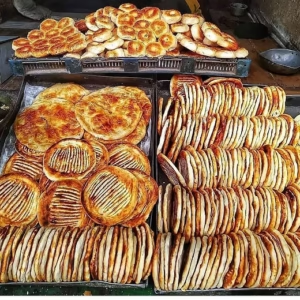
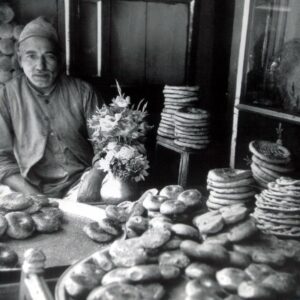


What Is a Kandur Shop?
Kandurs are bakers from Kashmir that use old-fashioned artisan techniques to create their products. Kandurs still operate in much the same way as they did generations ago, utilizing wood-fired clay ovens, hand-crafted methods and locally sourced ingredients.
Why are Kandur shops different from other bakeries in Kashmir?
- The intimate relationship between the life of the customer and the baker.
- Baking in a traditional tandoor-type oven.
- A continuous passing of recipes through time.
- The use of craftsmanship over mechanical means of creating bread.
- The tradition continues to be a part of everyday life in Kashmir.
Therefore, Kandur shops are not commercial bakeries. They are living relics of Kashmir’s culinary heritage.
The Role of Bakeries in Kashmiri Daily Life
For locals, a trip to the Kandur in morning or evening is a routine part of their everyday lives.
- In the morning, they eat their fresh piece of bread with a cup of salty tea
- They serve their evening bread with traditional curries.
- They buy their fresh pieces of bread on a daily basis, but they never store them.
- They come to the bakeries as a place to socialise.
Every loaf that is baked is made with warmth, carved out of hard work, and has cultural memory attached to it.
A Walk Through Hidden Kandur Shops Across Valleys
1. Timeless Bakeries of Srinagar Old City
Kandur shops have existed for decades just like they do now, in the narrow streets of Srinagar’s old quarters (downtown). In fact, the baker is able to work quickly and get bread into hot ovens, while customers patiently wait (in line).
The strengths of these bakeries include:
-Lifelong traditions.
-Streets full of aroma.
-Local people waiting for fresh baked bread.
2. Village Bakeries of South Kashmir
Kandur shops are the centre of community life in rural areas of South Kashmir. Baking here is a much slower, calmer process, and is much more about relationship and personal interaction than anything else.
-Limited to only 2 or 3 lots of bread baked each day.
-Only baking bread as it is ordered by customers.
-Getting to know the baker on a name basis and having friendly conversations.
Travelogear Holidays, a trip provider in South Kashmir, has developed their trips to include some of these villages so that those visiting the area will be able to experience real hospitality.
3. Online Shopping at Remote Valley Kandur
Kandur shops are often found in valleys that are less travelled, and they come as a surprise when they are found because they are little buildings with wood smoke exhaling gently into the atmosphere of the mountains.
The bakeries in these valleys tend to operate as:
- Family owned and operated
- Country/Sky are very close to farms and orchards
- Utilizing local sources of fresh ingredients
Every time I visit a Kandur shop, it’s like stumbling on a hidden treasure.
Traditional Breads You’ll Find in Kashmiri Bakeries
Sheermal
It is a mild sweet loaf of bread, whose ingredients are enriched with milk and the flavors of saffron, usually consumed warm.
Bakarkhani
Bakarkhani is a rich, dry, flaky bread that has many layers and is traditionally baked during holidays, as well as during the winter months.
Girda
Girda is a crisp-yet-fluffy bread that is ideal to enjoy with Kashmiri chai (tea) and for breakfast or as part of a meal.
Tsot
Tsot is a thick, hearty-style bread that has a longer shelf-life than other breads, and is eaten during the winter months.
All four varieties of bread are representative of not only the climate of Kashmir but also the culture of the region and its culinary heritage.
The Art of Traditional Baking
Consider the experience of witnessing a Kandur at work outside of your own kitchen, as an experience in its own right.
Kandur’s Method of Operation:
- Kneading dough by hand
- Shaping dough into loaf form
- Pressing dough against the walls of the oven.
- Baking dough with wood fire.
- Using iron hooks to remove baked loaves from the oven.
- No timers or thermometers are utilized when baking; the Kandurs rely solely on their instinct and experience to get the job done correctly.
Why Kandur Bakeries Are Disappearing
In spite of their significant importance to culture, many traditional Kanduri bakeries confront a number of obstacles:
- The emergence of modern bakeries as competitors.
- The rising costs associated with the procurement of firewood for baking.
- Younger generations’ preference for occupations in other fields.
- The urbanization and modernization of lifestyles.
As a result, visiting and experiencing traditional Kanduri bakeries has become increasingly precious.
Why Travelers Should Explore Kandur Shops
Visiting bakeries in Kashmir gives a glimpse into:
– Cultural experiences that go beyond just seeing
– Authentic food experiences
– Real interactions with the locals
– Everyday life in Kashmir
– Unlike restaurants, you can find out about actual stories and traditions through Kandur bakers.
Kandur Bakeries & Kashmir’s Tea Culture
Tea and bread in Kashmir are two things that will always belong together. Kandur bread can be eaten with:
- Traditional salty tea
- Light evening tea
- Warm winter gatherings
- These pairings form the basis for what Kashmiri hospitality means.
Responsible Culinary Tourism
When visiting Kandur shops:
Ask permission before photographing
Support by purchasing bread
Respect local customs
Avoid disrupting work routines
Travelogear Holidays promotes respectful travel that benefits local communities.
Why Travelogear Holidays Curates Bakery Experiences
At Travelogear Holidays, we have a deep understanding of how food is an integral part of a culture. Our experience offerings include:
– Guided Walking Tour of Old Bakeries
– Visiting Local Bakeries in the Villages
– Culturally Relevant Explanation of Breads and Rituals
– Safe and Respectful Interaction With Local Residents
These experiences are integrated into our vast Kashmir itinerary.
Beyond Bread – Stories & Smiles
A Kandur shop represents generations of tradition, defiance, and humility. A typical Kandur baker begins their day before the sun rises; they generally work until it is dark outside. They do this for the love of their craft, not to generate a profit.
When you visit any of these shops, you will find an integral part of the emotional journey of every visitor to Kashmir.
Why Kandur Shops Are Kashmir’s Hidden Culinary Gems
Kandur Bakeries exemplifies the qualities of craftsmanship, heritage and the importance of patience in the world, as a result of the current popularity of “fast food” and “modern cafes.”
They exemplify:
A slow food culture
The importance of building community
Authentic culinary products
Experiencing a Kandur Bakery is as if one has stepped into a different time in history.
Conclusion
Kashmiri Bakeries, which can be found in the valleys and village lanes, offer more than just food items. They are a part of Kashmiri daily life that has been preserved for centuries. The warmth from the freshly baked breads, the glow of the clay ovens, and the dedication of the Kandurs (Kashmiri bakers) embody the spirit of Kashmir.
Through Travelogear Holidays, travellers have the opportunity to experience these hidden culinary treasures of Kashmir in a way that is respectful and authentic. If someone wants to gain a deeper understanding of the culture of Kashmir, they should break bread (literally) in the bakeries where the story goes back many generations and continues today through each loaf of bread.
FAQs on About Kashmiri Bakeries
1. What is the best time to visit Bangus Valley?
May to September is the best time when the valley is accessible and pleasant.
2. How far is Bangus Valley from Srinagar?
It is around 115 km from Srinagar, taking 4–5 hours by road.
3. How can I reach Bangus Valley?
By road via Kupwara; Travelogear Holidays offers cab services from Srinagar.
4. Is a permit required to visit Bangus Valley?
Yes, permits may be required due to its proximity to sensitive zones.
5. What are the main attractions in Bangus Valley?
Bodh Bangus, Lokut Bangus, Reshwari, and nearby Lolab Valley.
6. What activities can I do in Bangus Valley?
Trekking, camping, pony rides, bird watching, and cultural experiences.
7. Can I visit Bangus Valley in winter?
No, heavy snowfall blocks access from November to March.
8. Are there hotels in Bangus Valley?
Very limited—guesthouses, government huts, or camping with Travelogear Holidays.
9. Is Bangus Valley safe for tourists?
Yes, it is safe, especially when traveling with trusted operators like Travelogear Holidays.
10. Can Travelogear Holidays arrange customized Bangus packages?
Absolutely—we provide tailor-made itineraries, stays, permits, and guided tours.
How to book Kashmir Tour Packages With Travelogear Holidays?
For a seamless and exceptional booking experience,
Contact Travelogear Holidays at: reservationtravelogearholidays@gmail.com or call us at : 9906903196